
Decoding the Green: A Deep Dive into plant Identifier Apps
In an era where technology seamlessly intertwines with our daily lives, it’s no surprise that even our connection with nature is being revolutionized. Plant identifier apps, once a novelty, have blossomed into indispensable tools for gardeners, hikers, nature enthusiasts, and even casual observers. These digital botanists, powered by sophisticated artificial intelligence and vast image databases, offer instant identification of flora with a simple snapshot. But how do these apps work, what are their strengths and limitations, and how are they shaping our understanding of the plant kingdom? Let’s delve into the verdant world of plant identifier apps.
The journey from bulky field guides to sleek smartphone applications reflects a broader trend of democratizing knowledge. Previously, identifying plants required specialized training or access to extensive botanical resources. Now, anyone with a smartphone can explore the natural world with newfound confidence.
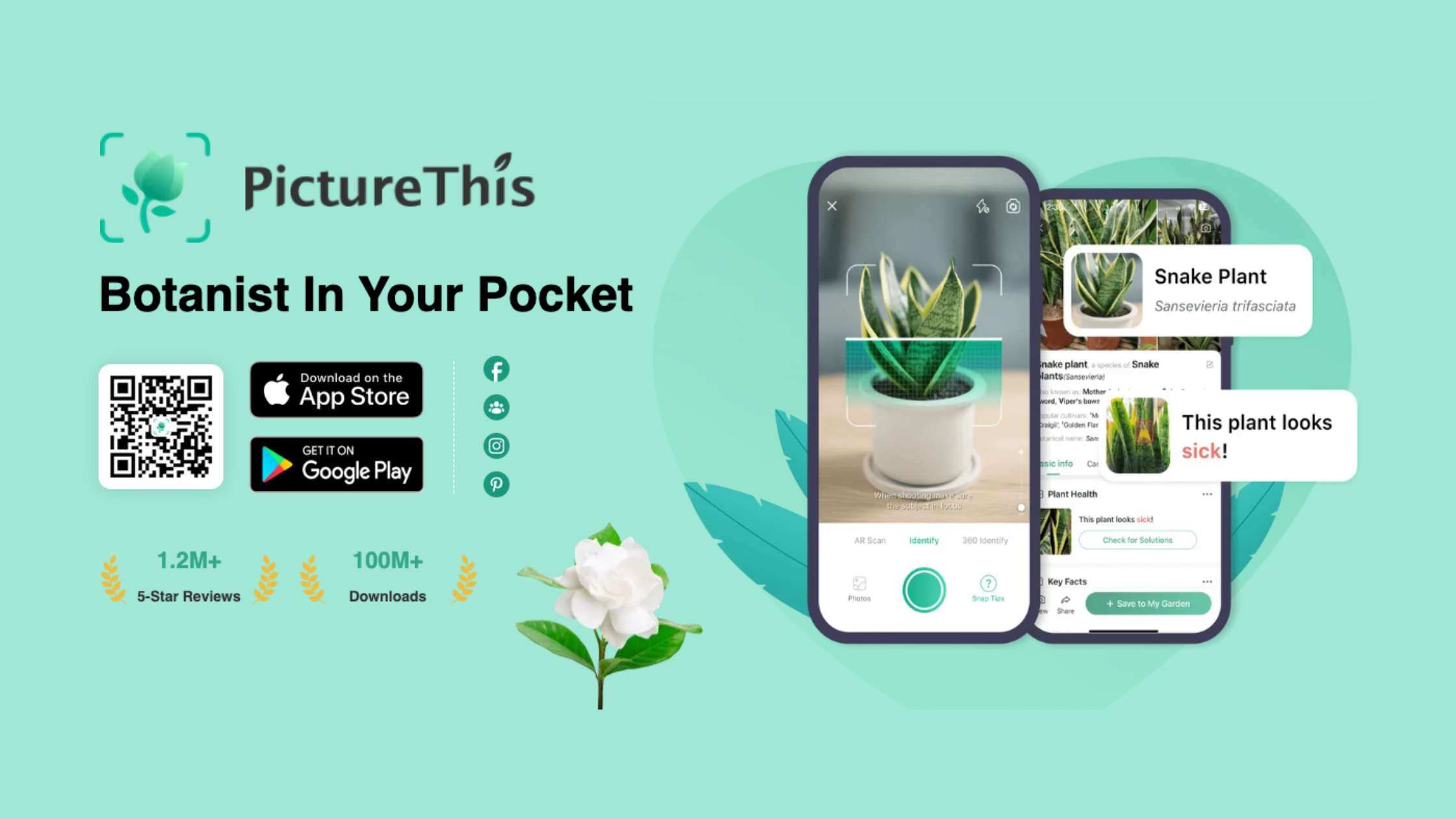
At the heart of these apps lies a combination of cutting-edge technologies:
Image Recognition and AI
Deep Learning: Most plant identifier apps leverage deep learning algorithms, a subset of artificial intelligence. These algorithms are trained on massive datasets of plant images, allowing them to recognize patterns and features that differentiate species.
Database and Information Retrieval
Vast Plant Databases: Plant identifier apps rely on extensive databases containing millions of plant images and associated information. These databases are often curated by botanists, researchers, and citizen scientists.

The typical user experience is remarkably simple:
Taking the Photo
Users capture a clear photo of the plant using their smartphone’s camera.
Image Processing and Analysis
The app processes the image, extracting relevant features using its AI algorithms.
Identification and Information Display

The app displays a list of potential matches, often ranked by probability.
The popularity of these apps stems from their numerous benefits:
Accessibility and Convenience
Plant identification is no longer limited to experts. Anyone with a smartphone can participate.
Educational Value
Apps foster a deeper understanding of the natural world and promote botanical literacy.
Citizen Science Contributions
User-generated data contributes to scientific research and biodiversity monitoring.
Gardening and Landscaping Assistance
Gardeners can identify unknown plants in their yards and learn about their care requirements.
Hiking and Outdoor Exploration
Hikers can identify plants along trails, enhancing their appreciation of the natural surroundings.
Despite their impressive capabilities, plant identifier apps are not without limitations:
Accuracy and Reliability
Accuracy can vary depending on the quality of the image, the complexity of the plant, and the app’s database.
Dependence on Technology
Apps require a smartphone and internet access (for some functions).
Data Privacy Concerns
Some apps collect user data, such as location and image information.
Over-Reliance and Loss of Traditional Knowledge
There is a concern that reliance on technology may diminish traditional botanical knowledge and observation skills.
Geographic Limitations
Databases might be more robust for certain regions than others.
The field of plant identification is constantly evolving, with ongoing advancements in AI and image recognition. Future developments may include:
Improved Accuracy and Speed
Continued advancements in AI algorithms will enhance accuracy and speed.
Integration with Other Technologies
Integration with augmented reality (AR) could overlay plant information onto the user’s view.
Enhanced Educational Features
Apps may incorporate more interactive learning tools, such as quizzes and virtual field trips.
Expanded Functionality
Apps may offer features such as plant disease diagnosis, pest identification, and soil analysis.
Increased Focus on Biodiversity Conservation
Apps can play a crucial role in monitoring plant populations and tracking invasive species.
With a plethora of plant identifier apps available, choosing the right one can be challenging. Consider the following factors:
Accuracy and Reliability
Read user reviews and compare app ratings.
Database Size and Coverage
Ensure the app’s database covers the region of interest.
User Interface and Ease of Use
Choose an app with an intuitive and user-friendly interface.
Privacy Policy
Cost and Subscription Options
Compare the cost of different apps and subscription options.
Plant identifier apps represent a remarkable fusion of technology and nature, empowering individuals to explore and understand the plant kingdom in unprecedented ways. While limitations exist, ongoing advancements in AI and database management are continuously enhancing their capabilities. These apps are not just tools for identification; they are gateways to a deeper appreciation of biodiversity, fostering a sense of connection with the natural world. As we embrace these digital botanists, we pave the way for a greener future, where technology and nature coexist in harmony.


