
The Digital Green Thumb: How plant Health Apps are Revolutionizing Gardening and Agriculture
The verdant tapestry of our world, from the humble houseplant to vast agricultural fields, relies on the delicate balance of plant health. For centuries, humans have relied on observation, intuition, and passed-down knowledge to nurture their green companions. But in the age of smartphones and artificial intelligence, a new tool has emerged: the plant health app. These digital assistants are transforming how we understand and manage plant well-being, offering a wealth of information and diagnostic capabilities at our fingertips.
This article explores the burgeoning landscape of plant health apps, delving into their features, benefits, limitations, and the future they promise for both amateur gardeners and professional agriculturists.
The Rise of the Digital Gardener: Addressing a Growing Need
The appeal of plant health apps stems from a confluence of factors. Firstly, the increasing popularity of gardening, both as a hobby and a means of sustainable food production, has created a demand for accessible plant care knowledge. Secondly, the challenges posed by climate change, including increased pest infestations and disease outbreaks, necessitate more sophisticated diagnostic and management tools. Finally, the ubiquity of smartphones and the rapid advancement of image recognition and machine learning have made it possible to develop user-friendly and powerful plant health applications.
Key Features of Modern Plant Health Apps
Plant health apps are not monolithic entities; they encompass a diverse range of functionalities, catering to different needs and user levels. However, several core features are commonly found:
1. Plant Identification: Naming the Green Unknown
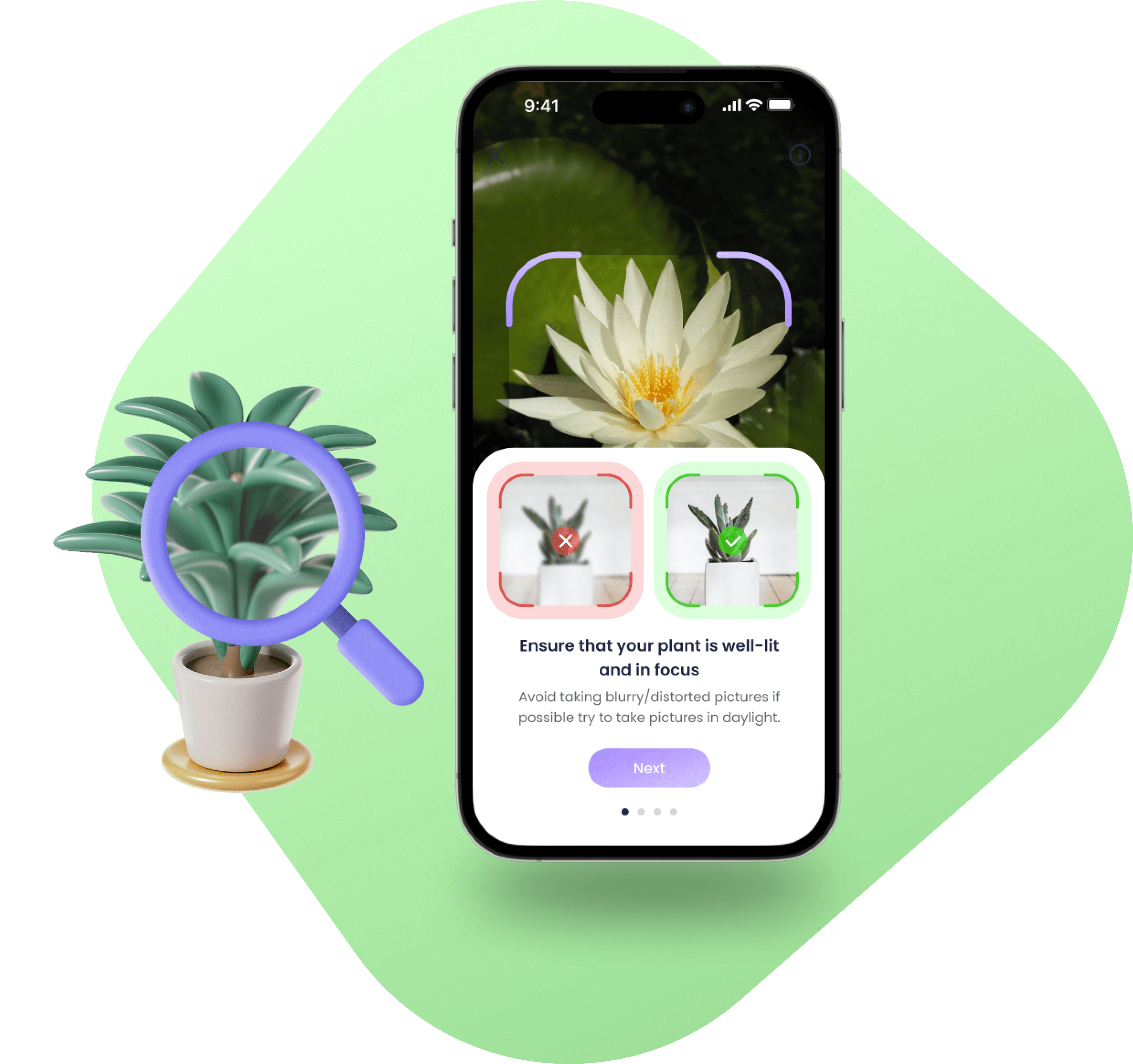
One of the most popular features is plant identification. Using the smartphone’s camera, users can take a photo of a plant, and the app’s AI algorithms will analyze the image to identify the species. This eliminates the guesswork and provides a starting point for further research and care.
2. Disease and Pest Diagnosis: Spotting the Subtle Signs
Perhaps the most crucial function is the diagnosis of plant diseases and pest infestations. By analyzing images of affected leaves, stems, or fruits, the app can identify potential problems and provide information on their causes and treatments. This empowers users to take timely action and prevent further damage.
3. Plant Care Information: Tailored Guidance for Every Species
Plant health apps often include comprehensive databases containing information on the specific care requirements of various plants, including watering schedules, sunlight needs, fertilization guidelines, and pruning techniques. This personalized guidance helps users optimize their plant care practices.
4. Growth Tracking and Reminders: Staying on Top of Plant Needs
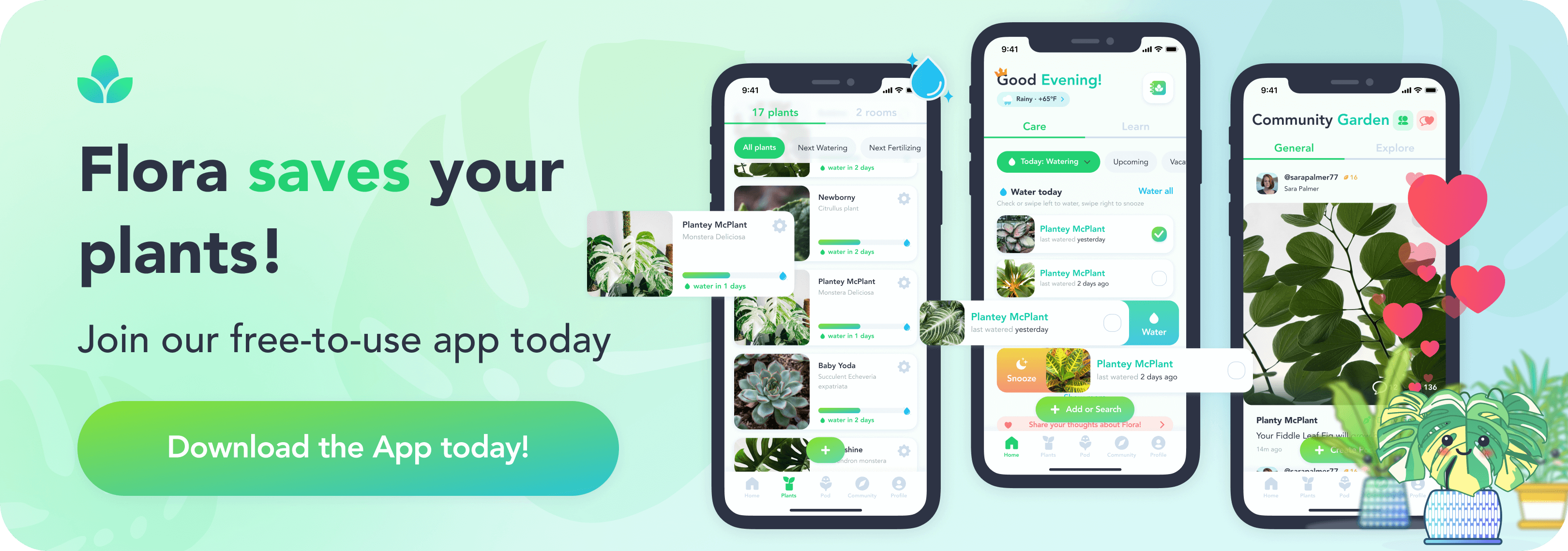
Many apps offer features for tracking plant growth over time, allowing users to monitor their progress and identify any potential issues early on. They also provide reminders for essential tasks like watering, fertilizing, and repotting, ensuring that plants receive timely care.
5. Community and Knowledge Sharing: Connecting with Fellow Gardeners
Some apps foster a sense of community by allowing users to share their experiences, ask questions, and receive advice from other gardeners. This collaborative environment promotes knowledge sharing and provides valuable support.
6. Environmental Monitoring: Understanding the Surrounding Conditions
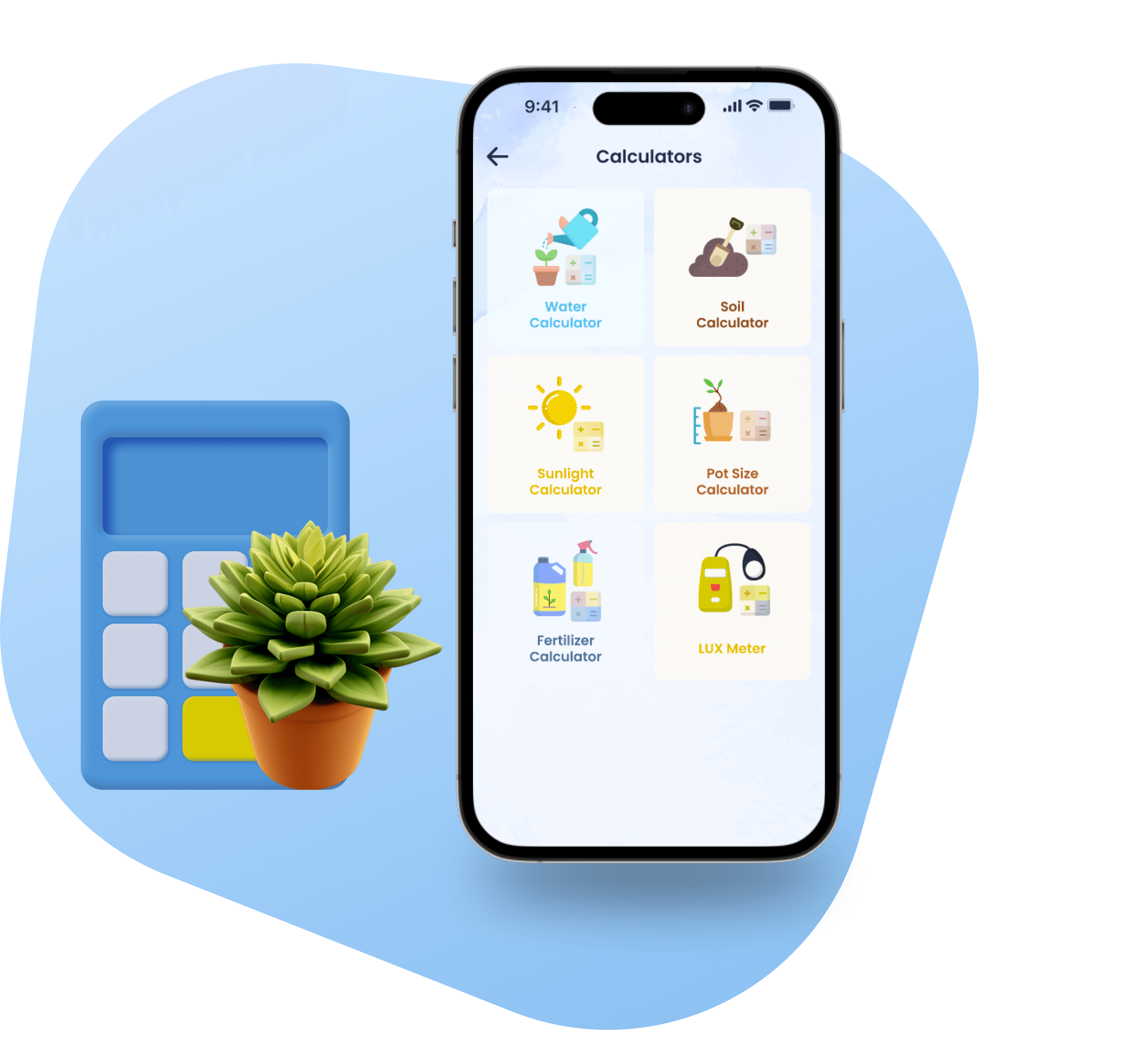
Advanced apps may integrate with external sensors or utilize smartphone sensors to monitor environmental factors such as temperature, humidity, and light levels. This data can be used to optimize plant care and create a more favorable growing environment.
Benefits for the Amateur Gardener: Empowering the Home Grower
For the casual gardener, plant health apps offer a wealth of benefits:
1. Increased Confidence and Success:
By providing accurate plant identification and diagnostic information, apps empower gardeners to make informed decisions and improve their success rates.
2. Reduced Reliance on Expert Advice:
Apps offer readily available information and guidance, reducing the need to consult with experts for every minor issue.
3. Enhanced Learning and Knowledge:
Through the app’s educational resources and community features, gardeners can expand their knowledge and develop a deeper understanding of plant care.
4. Time and Resource Savings:
By identifying problems early on, apps help prevent costly mistakes and minimize the need for expensive treatments or replacements.
Benefits for Professional Agriculture: Optimizing Crop Management
In the realm of agriculture, plant health apps offer even greater potential:
1. Early Disease and Pest Detection:
Apps enable farmers to detect and address plant health issues at an early stage, minimizing crop losses and maximizing yields.
2. Targeted Interventions:
By providing precise diagnostic information, apps help farmers apply treatments more effectively, reducing the need for broad-spectrum pesticides and fertilizers.
3. Data-Driven Decision Making:
Apps can collect and analyze data on plant health, environmental conditions, and treatment efficacy, providing valuable insights for optimizing crop management practices.
4. Remote Monitoring and Management:
Apps allow farmers to monitor their crops remotely, enabling them to respond quickly to emerging problems and reduce the need for constant on-site inspections.
Limitations and Challenges: Addressing the Growing Pains
Despite their many benefits, plant health apps are not without limitations:
1. Accuracy of Diagnosis:
The accuracy of AI-powered diagnosis depends on the quality of the images and the sophistication of the algorithms. Misdiagnosis can lead to inappropriate treatments and further damage.
2. Limited Coverage of Plant Species and Diseases:
The databases of some apps may not include all plant species or diseases, particularly those that are less common or region-specific.
3. Dependence on Image Quality:
The effectiveness of image-based diagnosis is limited by the quality of the photos. Poor lighting, blurry images, or partial views can hinder the app’s ability to accurately identify problems.
4. Data Privacy and Security:
Users should be aware of the data collection and privacy policies of plant health apps, particularly those that collect location data or personal information.
5. Internet Connectivity:
Many apps rely on internet connectivity for image processing and data retrieval, which can be a limitation in areas with poor internet access.
The Future of Plant Health Apps: A Vision of Green Innovation
The future of plant health apps is bright, with ongoing advancements in technology and increasing adoption by both amateur and professional users. Several key trends are shaping the evolution of these applications:
1. Enhanced AI and Machine Learning:
Continued advancements in AI and machine learning will improve the accuracy and efficiency of plant identification and diagnosis.
2. Integration with IoT Devices:
The integration of plant health apps with IoT devices, such as sensors and automated irrigation systems, will enable more precise and automated plant care.
3. Expansion of Data and Knowledge Bases:
Apps will continue to expand their databases to include a wider range of plant species, diseases, and pests, as well as more detailed information on plant care.
4. Development of Personalized Recommendations:
Apps will leverage user data and environmental information to provide more personalized recommendations for plant care and management.
5. Focus on Sustainability:
Plant health apps will play an increasingly important role in promoting sustainable agriculture and gardening practices, by helping to reduce the use of pesticides and fertilizers.
Conclusion: Cultivating a Greener Future with Digital Tools
Plant health apps are transforming the way we interact with the plant world, offering a powerful combination of information, diagnostic capabilities, and community support. By empowering individuals and professionals alike, these digital tools are contributing to a more sustainable and productive future for gardening and agriculture. As technology continues to advance, plant health apps will undoubtedly play an even greater role in cultivating a greener and healthier planet.


