Cultivating the Dragon: A Comprehensive Guide to planting and Growing Dragon Fruit
Dragon fruit, with its vibrant pink skin and sweet, speckled flesh, has captured the hearts and palates of fruit enthusiasts worldwide. This exotic beauty, also known as pitaya, is not only visually stunning but also surprisingly easy to grow, even for novice gardeners. If you’re eager to add a touch of the tropics to your backyard or balcony, this comprehensive guide will walk you through every step of planting and nurturing your own dragon fruit.
1. Understanding Dragon Fruit and Its Needs
Before diving into planting, it’s essential to understand the dragon fruit’s characteristics and requirements.
1.1. Botanical Background
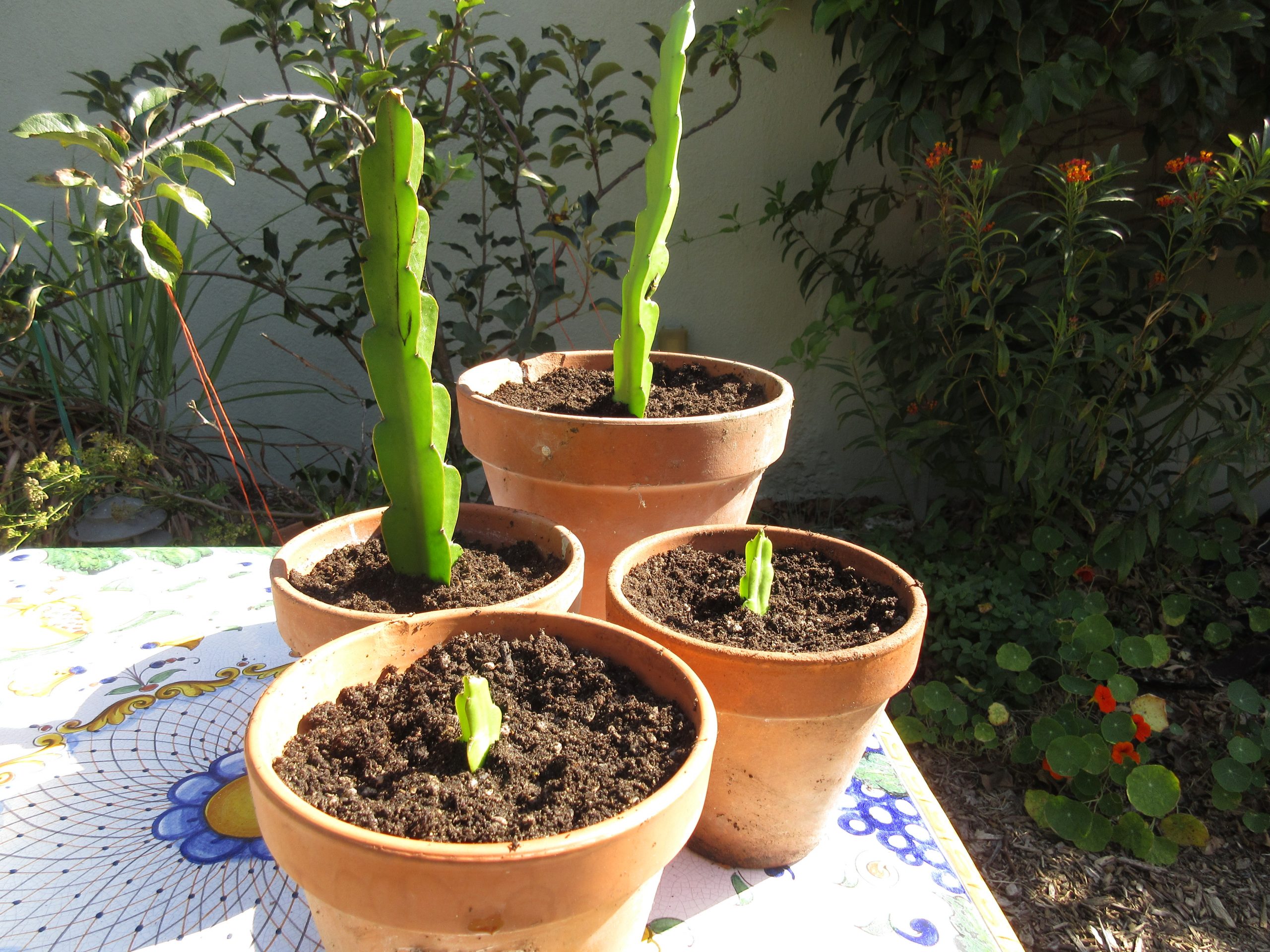
Propagating Dragon Fruit From Cuttings – Gardenerd
Dragon fruit belongs to the Hylocereus genus, a member of the cactus family.
It’s a climbing, epiphytic cactus, meaning it naturally grows on other plants or structures.
It thrives in tropical and subtropical climates, preferring warm temperatures and ample sunlight.
1.2. Climate and Growing Conditions
Temperature: Dragon fruit prefers temperatures between 65°F and 90°F (18°C and 32°C). It can tolerate short periods of cooler temperatures but is sensitive to frost.
Sunlight: Full sun is crucial for optimal growth and fruit production. At least 6-8 hours of direct sunlight is recommended.
Soil: Well-draining soil is essential. Dragon fruit roots are susceptible to rot in waterlogged conditions. A sandy loam or cactus mix is ideal.
Humidity: While it tolerates dry conditions, moderate humidity is beneficial.
2. Choosing the Right Variety
Several dragon fruit varieties are available, each with unique characteristics.
2.1. Flesh Color
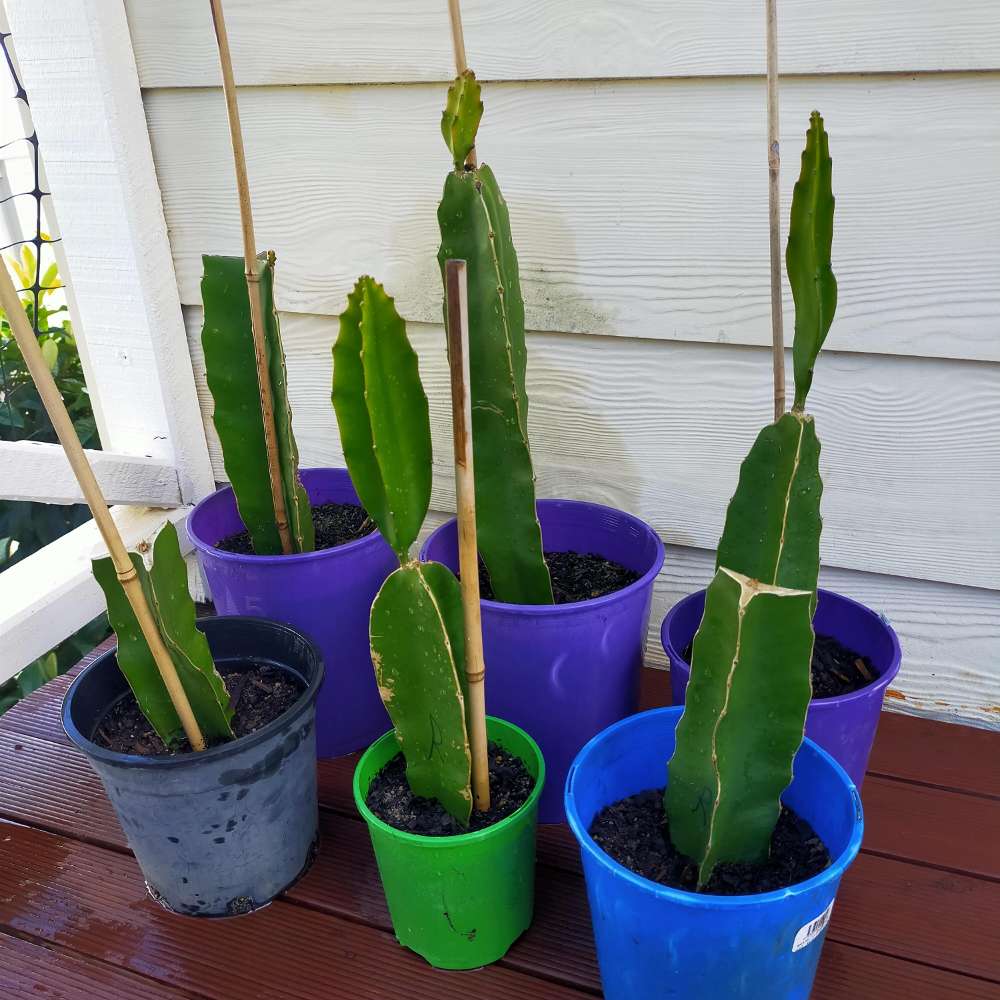
Propogation Dragon Fruit Obsession
White Flesh: The most common type, with a mild, sweet flavor.
Red Flesh: Known for its vibrant color and slightly sweeter, more intense flavor.
Pink Flesh: Offers a balance between white and red varieties.
Yellow Flesh: Characterized by its yellow skin and sweet, tangy flesh.
2.2. Self-Fertile vs. Cross-Pollinating
Self-fertile varieties: Can produce fruit without cross-pollination. This is ideal for smaller gardens or single-plant cultivation.
Cross-pollinating varieties: Require pollen from a different variety to produce fruit. You’ll need at least two different varieties to ensure pollination.
3. Preparing for Planting
Proper preparation is crucial for a successful dragon fruit harvest.
3.1. Selecting a Location
Choose a sunny location with good drainage.
Provide a sturdy support structure, such as a trellis, fence, or post, as dragon fruit vines can become heavy.
If planting in containers, ensure they are large enough to accommodate the growing roots and provide adequate drainage.
3.2. Soil Preparation
If planting in the ground, amend the soil with compost or well-rotted manure to improve drainage and fertility.
For container planting, use a commercial cactus mix or create your own by combining potting soil, sand, and perlite.
Ensure the soil’s PH is slightly acidic to neutral.
3.3. Support Structure
A strong support structure is essential for dragon fruit vines.
A trellis, T-post, or sturdy fence are suitable options.
The support should be at least 6 feet tall to accommodate the growing vines.
A circular trellis or platform at the top of the support is ideal for training the cascading branches.
4. Planting Dragon Fruit
Whether planting cuttings or seedlings, follow these steps for successful establishment.
4.1. Planting Cuttings
Cuttings are the most common method of propagation.
Select healthy, mature cuttings at least 12 inches long.
Allow the cut end to callus for several days before planting.
Plant the cutting about 2-3 inches deep in the soil, ensuring the cut end is facing down.
Water lightly and keep the soil moist but not waterlogged.
4.2. Planting Seedlings
Seedlings can be purchased from nurseries or grown from seeds.
Plant seedlings at the same depth they were in their original containers.
Space plants at least 8-10 feet apart to allow for growth.
Water thoroughly after planting.
4.3. Container Planting
Use a large container with drainage holes.
Fill the container with well-draining soil mix.
Plant the cutting or seedling in the center of the container.
Provide a support structure within the container.
Ensure the container is placed in a sunny location.
5. Caring for Your Dragon Fruit
Proper care is essential for healthy growth and abundant fruit production.
5.1. Watering
Water deeply when the top inch of soil is dry.
Avoid overwatering, as it can lead to root rot.
Reduce watering during the dormant season.
Dragon fruit is drought tolerant, but consistent watering will increase fruit production.
5.2. Fertilizing
Fertilize regularly during the growing season with a balanced fertilizer.
Use a fertilizer with a higher phosphorus content to promote flowering and fruiting.
Avoid over-fertilizing, as it can burn the roots.
A slow release fertilizer is ideal.
5.3. Pruning and Training
Prune the vines to encourage branching and maintain a manageable shape.
Remove any dead or damaged branches.
Train the vines to grow along the support structure.
Pinch back the tips of the vines to promote lateral growth.
When the plant reaches the top of the support, allow the branches to cascade.
5.4. Pollination
Dragon fruit flowers bloom at night and are typically pollinated by bats or moths.
In areas with limited pollinators, hand-pollination may be necessary.
Use a small brush to transfer pollen from one flower to another.
Hand pollination is best done at night or early morning.
5.5. Pest and Disease Control
Dragon fruit is relatively resistant to pests and diseases.
Watch for common pests such as aphids, mealybugs, and scale insects.
Treat infestations with insecticidal soap or neem oil.
Prevent fungal diseases by ensuring good drainage and air circulation.
Remove any diseased parts of the plant immediately.
6. Harvesting Dragon Fruit
Knowing when to harvest is crucial for enjoying the best flavor.
6.1. Signs of Ripeness
The skin will change color from green to vibrant pink, red, or yellow, depending on the variety.
The fruit will feel slightly soft to the touch.
The wings or bracts on the fruit will begin to wither.
A ripe fruit will come away from the stem with a gentle twist.
6.2. Harvesting Techniques
Use a sharp knife or pruning shears to cut the fruit from the vine.
Harvest the fruit when it is fully ripe for the best flavor.
Avoid bruising the fruit during harvest.
7. Enjoying Your Dragon Fruit
Dragon fruit can be enjoyed in various ways.
7.1. Eating Fresh
Cut the fruit in half and scoop out the flesh with a spoon.
Enjoy the sweet, refreshing flavor on its own.
7.2. Culinary Uses
Add dragon fruit to smoothies, salads, and desserts.
Use it to make jams, jellies, and ice cream.
Garnish cocktails and other beverages with dragon fruit slices.
7.3. Storage
Store ripe dragon fruit in the refrigerator for up to a week.
Cut dragon fruit can be stored in an airtight container in the refrigerator.
Frozen dragon fruit pulp is also a great option.
By following these guidelines, you can successfully cultivate your own dragon fruit and enjoy the exotic flavors and vibrant colors of this remarkable fruit. With proper care and attention, your dragon fruit plants will thrive and reward you with a bountiful harvest for years to come.