
“`html
Is Rubber a plant? Unveiling the Natural Origins of a Versatile Material
Is Rubber a Plant? Unveiling the Natural Origins of a Versatile Material
Rubber, a material synonymous with elasticity and versatility, permeates our daily lives. From the tires that carry us to work to the erasers that correct our mistakes, rubber’s presence is undeniable. But have you ever paused to wonder about its origin? Is rubber a plant, or is it a product of some complex chemical process? The answer, as it turns out, lies in the heart of the rainforest, where a specific tree holds the key to this remarkable substance.
The Natural Origins of Rubber: The Hevea Brasiliensis
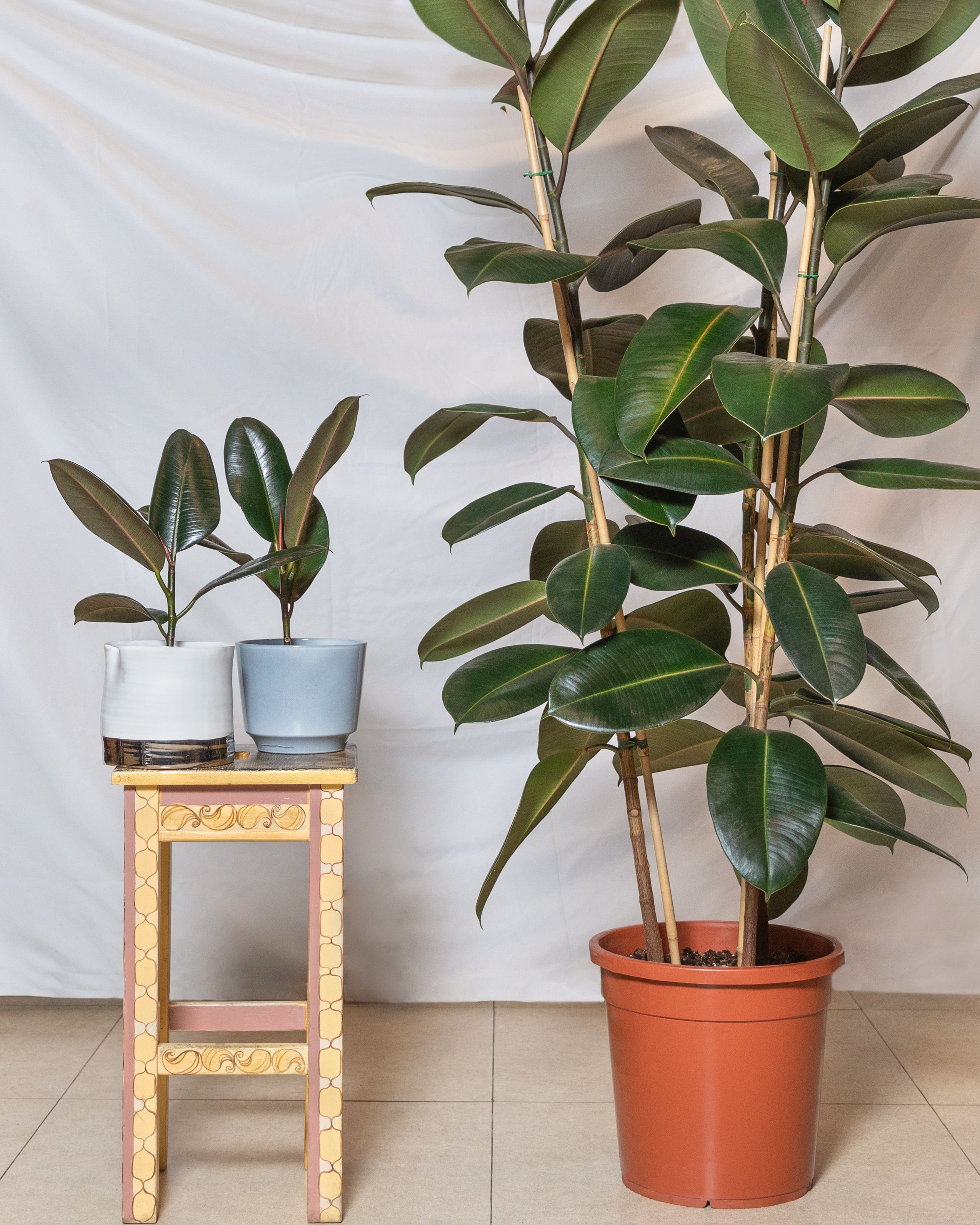
The primary source of natural rubber is the Hevea brasiliensis, commonly known as the rubber tree. This tree, native to the Amazon rainforest, produces a milky white liquid called latex. This latex is not sap, as is often mistakenly believed, but a complex emulsion of polymers, primarily cis-1,4-polyisoprene, along with proteins, sugars, and other substances. It’s this polyisoprene that gives rubber its characteristic elasticity.
The Discovery and Early Uses of Rubber

Indigenous populations in the Amazon basin have long been familiar with rubber. They used it for various purposes, including making waterproof clothing, containers, and even balls for games. Early European explorers, upon encountering these applications, were intrigued by the material’s unique properties. However, it wasn’t until the 18th century that rubber began to gain serious scientific and commercial attention in Europe.
The Process of Rubber Harvesting: Tapping the Tree
Harvesting rubber is a delicate process that requires skill and precision. The rubber tree is tapped, which involves making shallow, diagonal incisions in the bark. These cuts are carefully made to avoid damaging the cambium layer, which is essential for the tree’s growth and health. The latex flows out of these incisions and is collected in cups. This process is typically carried out in the early morning, when the latex flow is at its peak.
From Latex to Rubber: Coagulation and Processing
The collected latex is not immediately usable as rubber. It needs to be processed to coagulate the polyisoprene particles and remove the water content. Traditionally, this was done by adding acids, such as formic acid or acetic acid, to the latex. This causes the latex to coagulate into a solid mass. The coagulated rubber is then processed further, which may involve rolling, pressing, and drying, to produce sheets or blocks of raw rubber.
The Chemistry of Rubber: Polyisoprene and Vulcanization
The key to rubber’s elasticity lies in the structure of its polymer, polyisoprene. This long-chain molecule is made up of repeating isoprene units. In its natural state, polyisoprene is a sticky, thermoplastic material. However, it was the discovery of vulcanization by Charles Goodyear in the 19th century that revolutionized the rubber industry.
Vulcanization: Transforming Rubber’s Properties
Vulcanization is a chemical process that involves heating rubber with sulfur. This process creates crosslinks between the polyisoprene chains, forming a three-dimensional network. These crosslinks prevent the chains from sliding past each other, giving rubber its strength, elasticity, and durability. Vulcanized rubber is also more resistant to temperature changes and chemical degradation.
Synthetic Rubber: A Modern Alternative
While natural rubber remains an important material, the demand for rubber has led to the development of synthetic alternatives. Synthetic rubbers are produced from petroleum-based monomers and can be tailored to have specific properties. For example, styrene-butadiene rubber (SBR) is a common synthetic rubber used in tires, while neoprene is used in wetsuits and other applications requiring resistance to oil and chemicals.
The Importance of Rubber: Applications Across Industries
Rubber’s unique properties have made it an indispensable material in a wide range of industries. From transportation and construction to healthcare and consumer goods, rubber plays a crucial role in modern society.
Transportation: Tires and Beyond
One of the most significant applications of rubber is in the manufacture of tires. Both natural and synthetic rubbers are used in tire production, providing the necessary grip, durability, and flexibility for safe and efficient transportation.
Construction: Seals, Hoses, and More
In the construction industry, rubber is used for various applications, including seals, hoses, and vibration dampeners. Its ability to withstand weathering and temperature variations makes it ideal for these demanding applications.
Healthcare: Gloves, Tubing, and Medical Devices
Rubber is also widely used in the healthcare industry. Latex gloves, tubing, and medical devices are just a few examples of how rubber contributes to patient care and safety.
Consumer Goods: From Footwear to Toys
From footwear and toys to household appliances and sporting goods, rubber is a ubiquitous material in consumer products. Its elasticity, durability, and versatility make it ideal for a wide range of applications.
The Environmental Impact of Rubber Production
While rubber is a valuable material, its production can have significant environmental impacts. Deforestation for rubber plantations, particularly in Southeast Asia, has led to habitat loss and biodiversity decline. The use of pesticides and fertilizers in rubber cultivation can also pollute water and soil.
Sustainable Rubber Production: Initiatives and Challenges
Recognizing the environmental challenges associated with rubber production, efforts are being made to promote sustainable practices. Initiatives such as the Sustainable Natural Rubber Initiative (SNR-i) aim to improve the environmental, social, and economic sustainability of the natural rubber value chain. However, challenges remain, including the need to balance economic development with environmental protection.
The Future of Rubber: Innovation and Sustainability
The future of rubber will likely involve a combination of innovation and sustainability. Research is ongoing to develop new rubber materials with improved properties and reduced environmental impact. Efforts are also being made to improve the efficiency and sustainability of rubber production, including the development of alternative sources of rubber, such as guayule, a shrub native to North America.
Conclusion: Rubber’s Enduring Legacy
Rubber, originating from the Hevea brasiliensis tree, is a testament to the remarkable properties of natural materials. Its journey from a milky white latex to a versatile material used in countless applications is a story of scientific discovery, technological innovation, and industrial development. While challenges related to sustainability remain, rubber’s enduring legacy as an essential material in modern society is undeniable.
“`


